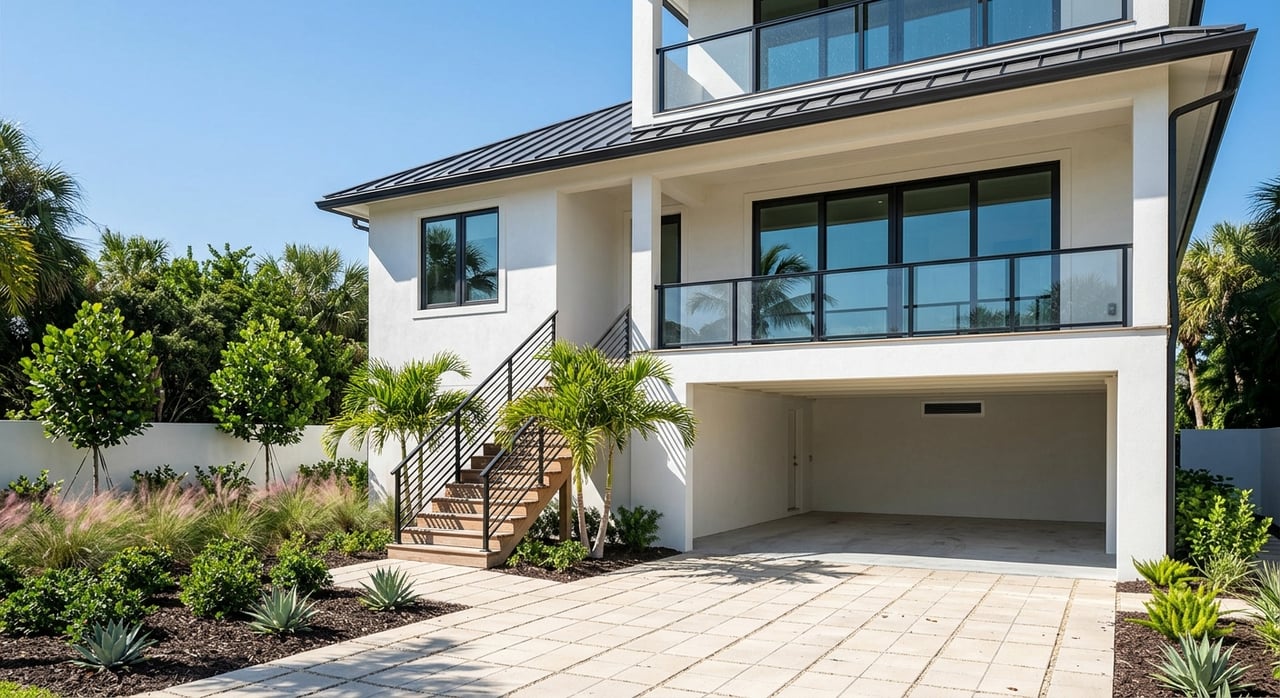
Jacksonville Beach Second Home Guide for Buyers
May 21, 2026
May 21, 2026
If you have been thinking about a place near the ocean that you can enjoy now and rent when you are away, Jacksonville Beach likely feels like a natural fit. It offers year-round coastal appeal, a steady visitor base, and property options that can work for both personal use and income. The key is knowing how to evaluate the opportunity with clear eyes before you buy. Let’s dive in.
Jacksonville Beach is part of a broader visitor market that continues to support coastal demand. Visit Jacksonville describes the area as a beach destination with hotels, dining, nightlife, and outdoor activity throughout the year. In 2024, the Jacksonville area recorded more than 8 million visitors, and the beach remained one of the top activities for travelers.
That matters if you are buying a second home or considering short-term rental use. The same visitor flow that supports local tourism can also support short-stay demand. For buyers, that creates a useful overlap between lifestyle value and income potential.
Recent short-term rental data for the Beaches submarket also shows active demand. Visit Jacksonville’s March 2026 STR report showed 81.0% occupancy with a $232.12 average daily rate, while the weekly report for May 3, 2026 showed 71.8% occupancy and a $182.46 ADR. Those numbers suggest a market with strong demand, but also normal ups and downs by week and season.
Before you fall in love with a view, a floor plan, or a block near the ocean, focus on use restrictions. In Jacksonville Beach, your ability to rent a property short term depends on city rules, county and state registrations, and private restrictions such as condo documents or HOA covenants. Any one of those layers can affect whether the property fits your goals.
This is especially important if you are buying from out of area or planning to split your time between personal use and rental use. A property that looks perfect on paper may not be practical if rental minimums, parking rules, or operating requirements do not line up with how you plan to own it.
Jacksonville Beach allows short-term vacation rentals in zoning districts where residential use is permitted or conditional. The city requires an initial and annual Short-Term Vacation Rental Certificate for each dwelling unit before it can be rented. That certificate is nontransferable, which means a new owner generally needs a transfer certificate rather than relying on the seller’s approval.
The city is also actively enforcing registration through its GovOS tracking platform as of March 2026. For a buyer, that means compliance is not something to sort out later. It should be part of your purchase due diligence.
If you want to use a property as a short-term rental, these city requirements matter:
These rules shape what types of homes make practical rentals. A charming property near the beach may still be a poor fit if parking is limited or if the layout does not support compliant occupancy.
City approval is only one piece of the process. Jacksonville Beach states that owners also need:
At the state level, Florida treats a vacation rental as a transient public lodging establishment. DBPR licenses vacation rentals based on the property type, such as a condominium or a dwelling. If the whole unit is rented more than three times a year for periods of less than 30 days, the lodging license framework generally applies.
Jacksonville Beach notes that an owner-occupied dwelling unit renting 50% or less is not subject to the city’s short-term vacation rental regulations. Even so, private deed restrictions or association rules may still apply. In many cases, the condo declaration or HOA rules will tell you more about real-world rental flexibility than the city map alone.
In Jacksonville Beach, the condo-versus-house decision is about more than lifestyle. It often comes down to maintenance, parking, association rules, and how you plan to use the property over time. Both options can work, but they tend to suit different priorities.
For many second-home buyers, condos offer a simpler ownership experience. They are often easier to lock and leave, and association-managed upkeep can reduce some of the day-to-day burden that comes with a coastal property. That convenience can be especially appealing if you live elsewhere and want a place that is easy to maintain.
A current Jacksonville Beach tax-roll example shows a 2005-built 2-bedroom, 2-bath condo at 210 N 11th Ave with a 2025 certified just value of $313,500 and no applicable exemptions. While one property does not define the whole market, it gives you a realistic local benchmark for a more compact beach-area ownership option.
The tradeoff is that condo documents can be decisive. Rental minimums, owner-use limits, parking allocations, and association approval procedures all deserve close review before you make an offer.
Single-family homes often give you more privacy, more outdoor space, and fewer association constraints. If you want room to spread out, entertain, or create a stronger lifestyle experience for yourself and guests, a detached home may be the better fit.
A Jacksonville Beach tax-roll example shows a 1951-built single-family home at 534 N 10th Ave with 3 bedrooms, 1 bath, and a 2025 certified just value of $438,636. Detached homes can offer more control, but they also usually involve more maintenance, more storm-readiness planning, and a closer look at parking if short-term rental use is part of your plan.
When you buy a second home or rental in Jacksonville Beach, your monthly picture should include much more than principal and interest. Taxes, insurance, utilities, association fees, furnishings, and management can all have a real impact on cash flow. Coastal ownership can be rewarding, but it works best when the numbers are built conservatively.
Duval County’s homestead exemption is tied to permanent Florida residency and a primary residence. Because of that, second homes generally should not be modeled with homestead savings. That is an important distinction if you are comparing a primary residence purchase with a beach property you plan to keep as a second home or rental.
Local tax-roll records help show the scale. A no-exemption 2-bedroom condo at 210 N 11th Ave had a 2025 total tax bill of $5,289.65 on a taxable value of $289,891. A no-exemption townhouse at 425 S 11th St had a 2025 total tax bill of $6,522.38 on a taxable value of $332,026.
These are examples, not predictions for every property. Still, they are useful local benchmarks when you are estimating carrying costs.
If you plan to rent the property for short stays, transient rental taxes are another major line item. Based on the research provided, the combined tax burden on short-term rental receipts in Duval County is currently 13.5%, made up of:
Duval County also requires monthly filing even if no tax was collected. That makes accurate bookkeeping and a reliable process especially important.
The city’s direct fees are modest compared with the larger ownership costs, but they still belong in your underwriting. Jacksonville Beach lists:
You should also budget for HOA or condo dues, insurance, utilities, furnishings, cleaning, and property management if you will not handle the property yourself.
Strong occupancy headlines can be encouraging, but a beach rental should never be underwritten as if every month performs the same way. Jacksonville Beach shows solid demand, yet the local STR reports also show swings in occupancy, ADR, and revenue by week and month. That seasonality is normal in a visitor-driven market.
A realistic pro forma should separate peak periods, shoulder periods, and slower stretches. If you build your numbers around a flat average all year, you may overestimate performance or underestimate how much cash reserve you want on hand.
It also helps to ask a practical question early: do you want income, simplicity, or a balance of both? The answer can guide whether you focus on a lower-maintenance condo, a larger detached home, or a property that leans more toward personal use than maximum rental volume.
The best way to reduce risk is to verify rental eligibility before closing, not after. In Jacksonville Beach, that means reviewing the city certificate path, confirming county and state registration requirements, and reading condo or HOA documents carefully for rental minimums, owner-occupancy rules, or rental prohibitions.
If you are not local, management planning matters just as much as licensing. The city requires a responsible party who can answer calls around the clock, respond within two hours, and monitor the property weekly. If you do not already have local support, you will want that operational plan in place before you own the property.
This is where local market knowledge becomes valuable. A property can look compelling online, but the best purchase decisions usually come from pairing the numbers with a clear understanding of how Jacksonville Beach properties actually function in day-to-day ownership.
If you are weighing a condo, townhouse, or detached beach home for personal use, rental use, or both, a careful local strategy can save you time and reduce surprises. When you are ready for a thoughtful, data-informed conversation about Jacksonville Beach opportunities, connect with Julie Little Brewer.
September 17, 2026
September 10, 2026
September 3, 2026
August 27, 2026
August 20, 2026
August 13, 2026
August 6, 2026
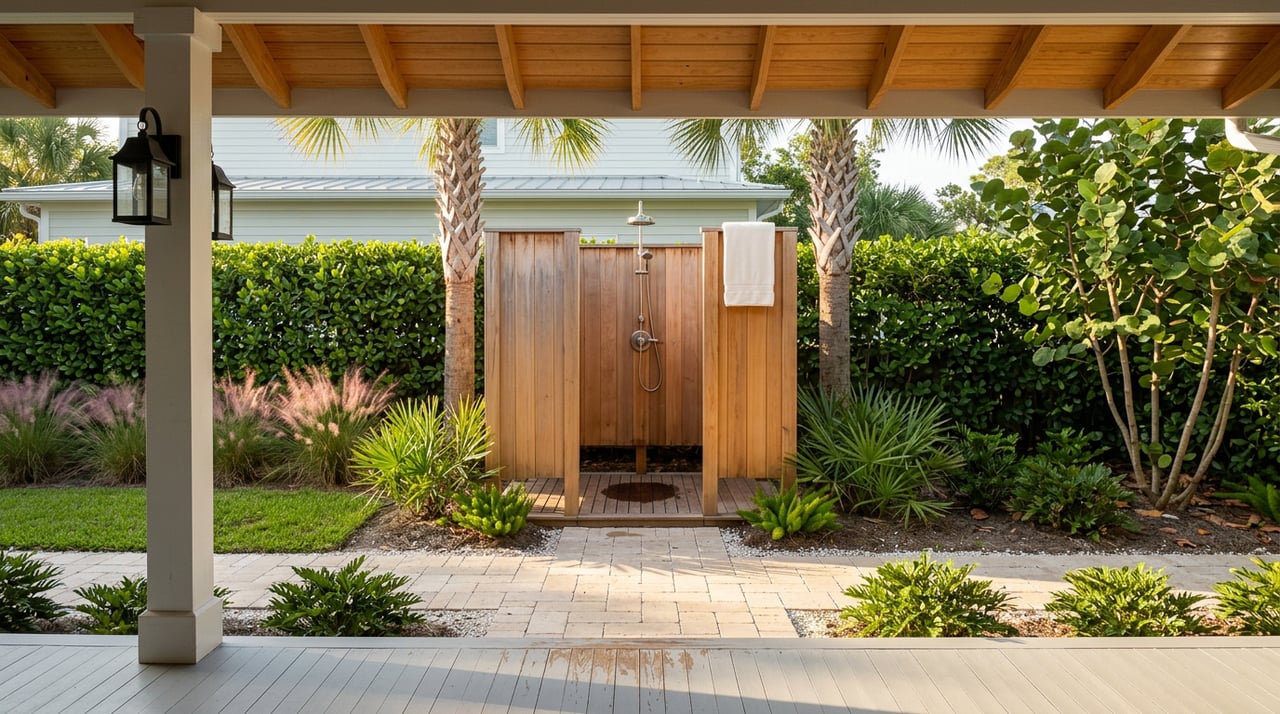
August 6, 2026
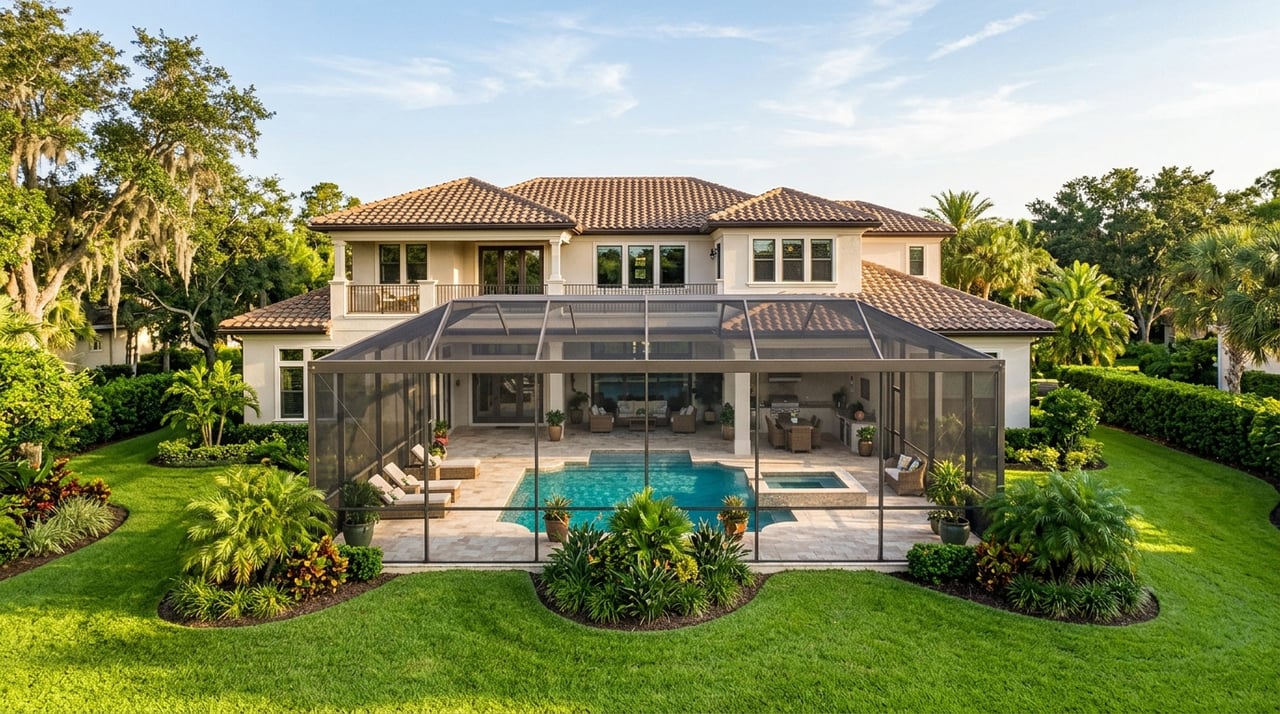
July 23, 2026
A seasoned full-time real estate professional, Julie has developed her expertise over decades of experience living and working in the area she calls home. She encourages you to contact her to become your trusted real estate partner. Together, let's achieve real estate success!
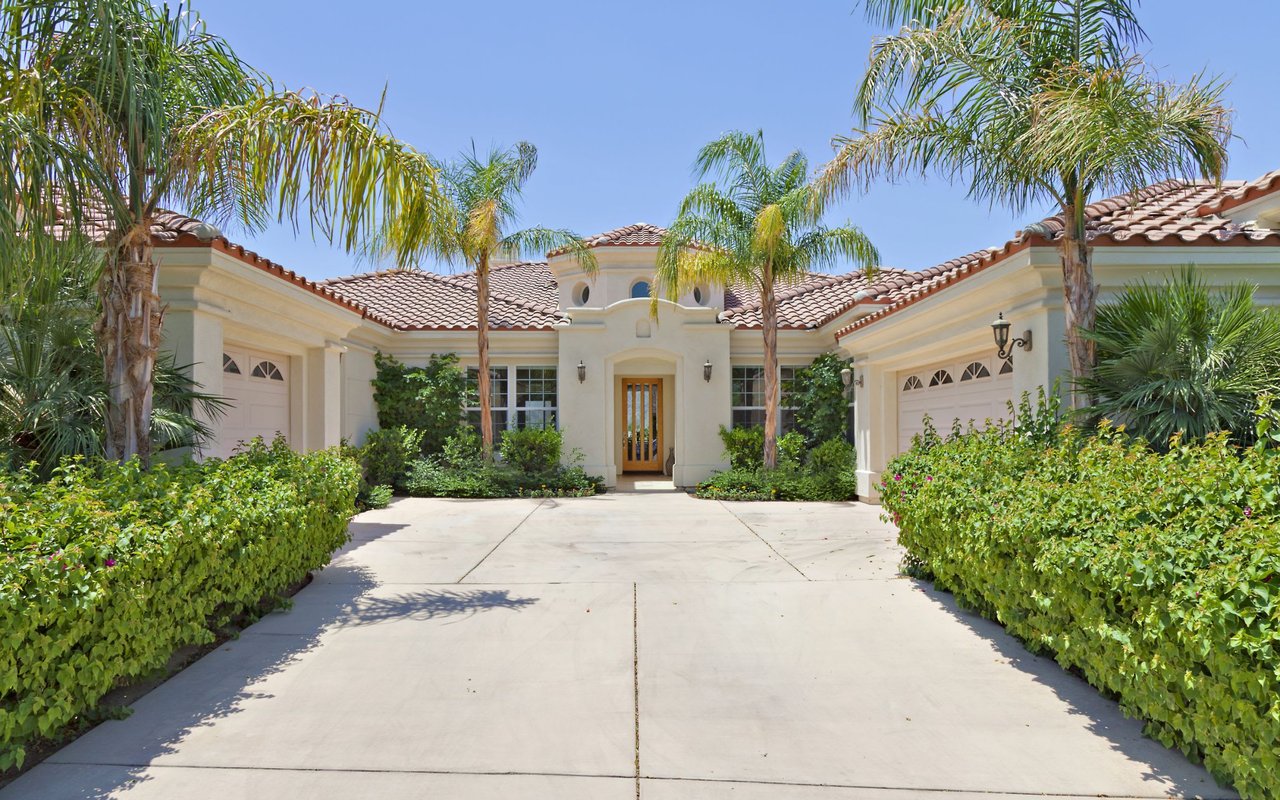
JULIE LITTLE BREWER
RE/MAX SPECIALISTS PV
250 A1A N STE 500
Ponte Vedra Beach FL 32082