Are you trying to decide between a classic Atlantic Beach bungalow and a newer townhome? You are not alone. Each offers a great walk-to-beach lifestyle but with very different tradeoffs in space, upkeep, and cost. In this guide, you will learn how these options compare on layout, yard and maintenance, parking, walkability, insurance, and long-term value so you can choose with confidence. Let’s dive in.
Atlantic Beach at a glance
Atlantic Beach is a small coastal city in Duval County with a strong walk-to-beach culture. You will find a mix of older single-family bungalows and newer infill townhomes and condos. Local codes follow Duval County and the Florida Building Code, which matter for coastal construction and renovations.
Coastal realities shape your decision. Flood risk, storm surge, and wind exposure affect insurance and maintenance. Convenience to the beach is a major draw, yet elevation, construction quality, and mitigation features can drive long-term costs. Keep both lifestyle and resilience in view.
How bungalows and townhomes differ
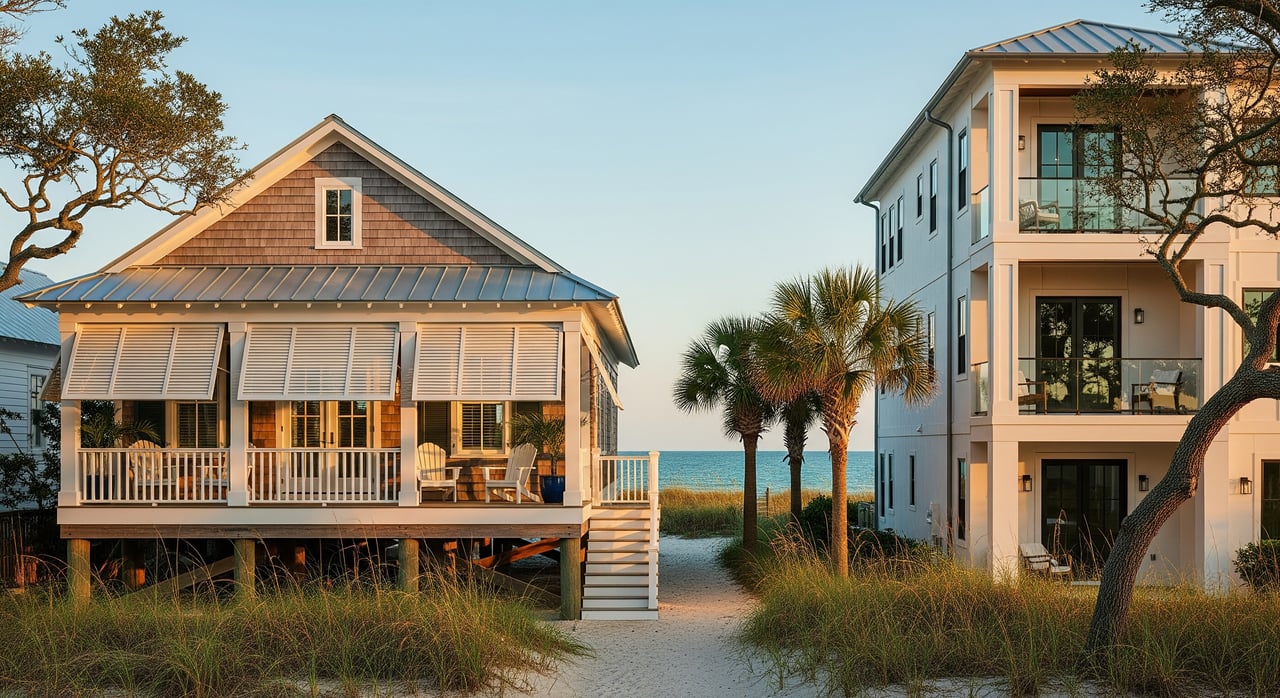
Building style and layout
Bungalow
- Often early to mid-20th century with coastal details and front porches.
- Mostly single level or 1.5 stories with a horizontal layout.
- Bedrooms usually branch off a central hall; outdoor living often centers on a porch or deck.
- Many sit on individual lots with room for a detached garage or accessory structure.
Townhome
- Generally newer construction from the last 10–30 years.
- Vertical living across two or three stories with modern systems.
- Garages often sit on the first level, main living on the middle, bedrooms above.
- Smaller private yard space but similar or greater total square footage due to stacking.
Yard and outdoor living
- Bungalows offer private yards for gardens, pets, grilling, and larger gatherings. If you want room to landscape or add a shed or studio where permitted, a bungalow fits well.
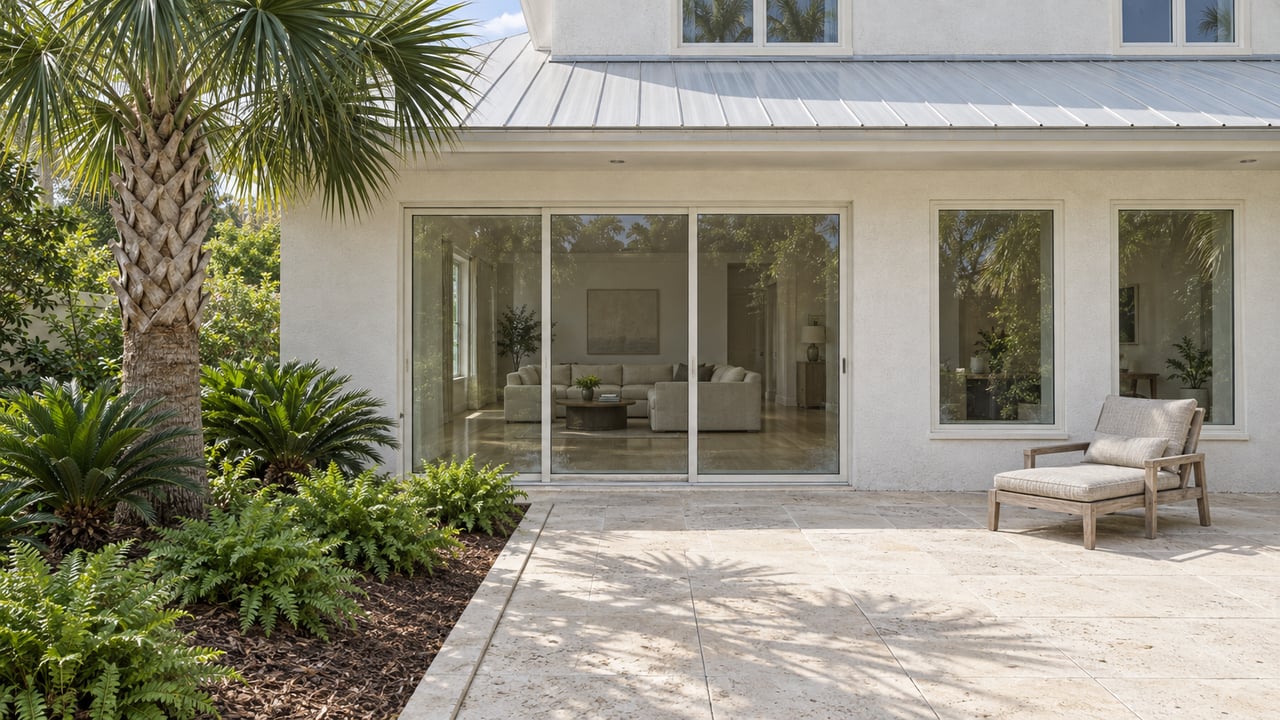
- Townhomes trade private yard size for low upkeep. Expect small patios, decks, or rooftop terraces and shared green spaces. Landscaping is commonly handled by the HOA.
Maintenance and time commitment
- Bungalow owners handle exterior upkeep, landscaping, and systems. Older roofs, HVAC, plumbing, and wood siding may need more frequent maintenance or replacement.
- Townhome exteriors are often maintained by the HOA, including roofs, siding, and common areas. You handle the interior and any limited private outdoor spaces. Review exactly what the HOA covers.
Parking and storage
- Bungalows typically have private driveways, detached garages, and on-street options. You often get more flexibility for gear and vehicles, subject to local rules.
- Townhomes usually include attached or tuck-under garages with limited driveway space and assigned guest parking. If you have multiple vehicles, a boat, or large equipment, confirm dimensions and rules.
Privacy and noise
- Bungalows offer more separation between neighbors and more private outdoor space.
- Townhomes have shared walls and common areas. HOAs may set rules on noise, pets, and exterior use. Consider your tolerance for close neighbor proximity.
Walk-to-beach tradeoffs
Both bungalows and townhomes can be within walking distance of the beach in Atlantic Beach. Historic bungalow streets near the water can appeal if you value character and a single-family setting. Newer townhome infill is often near commercial corridors or within a few blocks of beach access and dining.
Test your walk. Time the route to the nearest public access carrying typical beach gear. Check sidewalks, crosswalks, and lighting at the times you expect to walk most.
Cost, insurance, and resale
Purchase price drivers
In Atlantic Beach, several factors set values:
- Proximity to the beach and convenient access points.
- Lot size and private outdoor space, which supports single-family values.
- Condition and updates, including flood and wind mitigation features.
- Recent construction and HOA amenities that favor townhomes.
Bungalows with preserved character and practical layouts hold long-term appeal for single-family buyers. Townhomes attract those who want modern systems and low exterior maintenance. Both can appreciate, but short-term performance depends on inventory and demand shifts.
Monthly and annual costs
- Property taxes are set by Duval County. Single-family lots can carry higher assessments than attached units on similar footprints. Check current exemptions available to you.
- HOA fees for townhomes can include exterior maintenance, landscaping, trash, common-area insurance, and reserves. Compare HOA dues to what you would spend maintaining a bungalow’s exterior and yard.
- Utilities may be lower in newer townhomes with tight building envelopes. That said, multi-level homes can change heating and cooling patterns. Compare real bills when possible.
Insurance in a coastal market
- Flood insurance: Properties near the ocean can fall within FEMA Special Flood Hazard Areas. Lenders require flood insurance when structures sit in mapped zones. Even outside mapped zones, many buyers choose a policy due to changing risk.
- Elevation matters: Ask for a Flood Elevation Certificate and confirm the base flood elevation. This helps you price flood coverage and evaluate mitigation needs.
- Wind and hurricane coverage: Impact-rated windows, hurricane straps, and roof attachments can reduce premiums. Newer townhomes often meet current code standards. Older bungalows may need wind-mitigation upgrades.
- HOA master policies: For townhomes, confirm what the master policy covers and what coverage you must carry as the owner. Ask for the policy summary.
- Market volatility: Florida insurance availability and costs have shifted in recent years. Obtain quotes early during your search and compare similar properties side by side.
Long-term maintenance and reserves
- Bungalows: Budget for roof, electrical, plumbing, termite treatment, and any flood mitigation or elevation work. A pre-offer inspection consult can help you plan.
- Townhomes: Near-term upkeep is often lower, but review the HOA’s reserve study, financials, and assessment history. Inadequate reserves can lead to special assessments.
Rules and due diligence
Zoning and renovation potential
Atlantic Beach and Duval County zoning govern setbacks, height, density, and accessory structures. If you plan to renovate a bungalow, confirm what is allowed and whether any coastal overlay or design review applies.
Flood zones and building codes
FEMA flood maps and the Florida Building Code guide elevation and construction standards in coastal A and V zones. Newer townhomes are generally built to modern wind and impact standards. Older homes may be grandfathered and need upgrades to improve resilience.
Short-term rental rules
Do not assume rental income. Check City of Atlantic Beach ordinances for registration and safety requirements. Review HOA covenants for rental and pet rules before you buy.
Environmental and shoreline items
For homes on or near waterways, confirm seawall condition, drainage, and any riparian or canal access rights. Dune and vegetation protections may limit exterior changes near the beachfront.
Titles, easements, and access
Ask your title company to identify any recorded utility or drainage easements that affect how you can use the lot. If a bungalow is in a historic overlay, verify any exterior change limits.
On-site checklist for each property
Use this quick, practical checklist when you tour:
- Walk-to-beach test: Time your route to the nearest public access while carrying beach gear.
- Exterior and systems: Note roof age, window type, door strength, HVAC age, plumbing, electrical panel, driveway, garage, and any pilings if elevated.
- Flood due diligence:
- Confirm the FEMA flood zone.
- Request a Flood Elevation Certificate if available.
- Ask the seller about any prior flood or wind claims.
- Get quotes for flood and wind coverage early.
- HOA due diligence for townhomes:
- Review the Declaration, bylaws, rules, and recent meeting minutes.
- Obtain financials, reserve study, insurance details, and any pending assessments.
- Confirm what the master policy covers and your owner responsibilities.
- Parking and storage:
- Measure garage height, length, and width.
- Confirm guest parking and on-street rules.
- Ask about boat, trailer, and golf cart rules.
- Resilience and mitigation features:
- Look for hurricane shutters or impact windows.
- Check for elevated utilities, flood vents, and corrosion-resistant materials.
How to decide based on lifestyle
Choose a bungalow if
- You want a private yard for pets, gardening, and gatherings.
- You value single-level living and traditional coastal character.
- You like the flexibility to add or renovate within local rules.
- You prefer more separation from neighbors and a quieter lot experience.
Choose a townhome if
- You want low exterior maintenance and modern systems.
- You prefer an attached garage and a lock-and-leave feel.
- You are comfortable with vertical living and smaller private outdoor spaces.
- You value HOA-managed grounds and possibly shared amenities.
Make a confident choice
- Run a total-cost comparison. Add mortgage, taxes, insurance, HOA dues, utilities, and a realistic maintenance reserve.
- Stress-test walkability. Do the route at different times of day and in different weather.
- Prioritize resilience. Favor homes with strong wind mitigation, smart drainage, and a good elevation profile for long-term peace of mind.
Next steps with a local advisor
Choosing between a bungalow and a townhome in Atlantic Beach comes down to how you want to live and what you want to maintain. With clear due diligence, you can enjoy the beach lifestyle with fewer surprises. If you want help comparing specific properties, reviewing HOA documents, or arranging expert inspections and insurance quotes, connect with a local advisor who knows the nuances of our coastal market. Reach out to Julie Little Brewer to discuss your goals and next steps.
FAQs
What costs differ most between an Atlantic Beach bungalow and a townhome?
- Townhomes often shift exterior costs to HOA dues, while bungalows keep those costs with the owner. Compare HOA fees to expected yard, roof, siding, and exterior maintenance on a bungalow.
How does flood risk affect buying near the beach in Atlantic Beach?
- Flood zone, elevation, and mitigation features influence insurance cost and long-term risk. Ask for an Elevation Certificate, confirm the FEMA zone, and get quotes early for flood and wind coverage.
What should I review in HOA documents for a townhome by the beach?
- Review rules, financials, reserve studies, recent meeting minutes, and the master insurance policy. Confirm what is covered, upcoming projects, and any rental or pet restrictions.
Are Atlantic Beach bungalows good candidates for renovations?
- Many are, but age and coastal exposure vary. Have an inspector review the roof, foundation, electrical, plumbing, and any prior flood or wind repairs before you plan upgrades.
Can I store a boat or golf cart at a townhome in Atlantic Beach?
- Maybe. Confirm HOA rules, garage dimensions, and city parking regulations. Some communities restrict trailers or oversized vehicles.
How close should I be if I plan to walk to the beach daily?
- It depends on your routine and comfort. Time the walk to the nearest public access and test it with beach gear during the hours you expect to use it most.